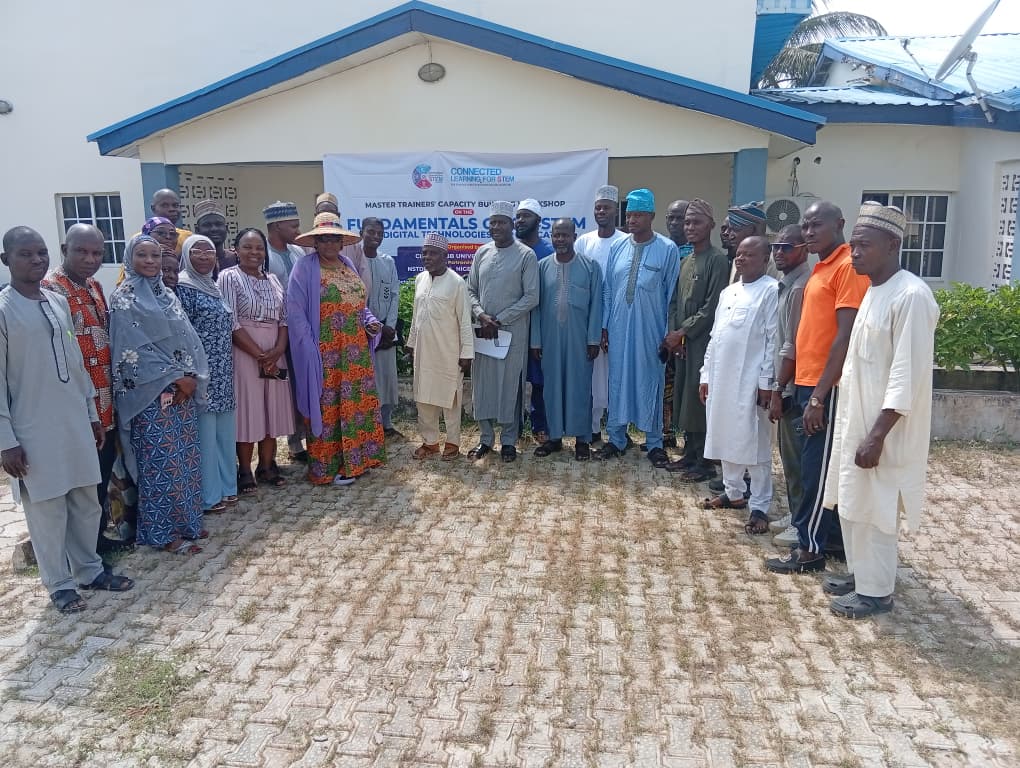
As part of activities for implementing the Connected Learning for Science, Technology, Engineering and Mathematics (CL4STEM) Impact Grant Project with the Niger State Teachers Professional and Development Institute (NSTPDI), a 4-day capacity building workshop on the “Fundamentals of CL4STEM and Digital Technologies for Education” was organised as from 26th to 29th of October 2025 for twenty two (22) in-service teachers in Niger State who will be serving as master trainers to step down the skills learnt to colleagues in their respective schools.
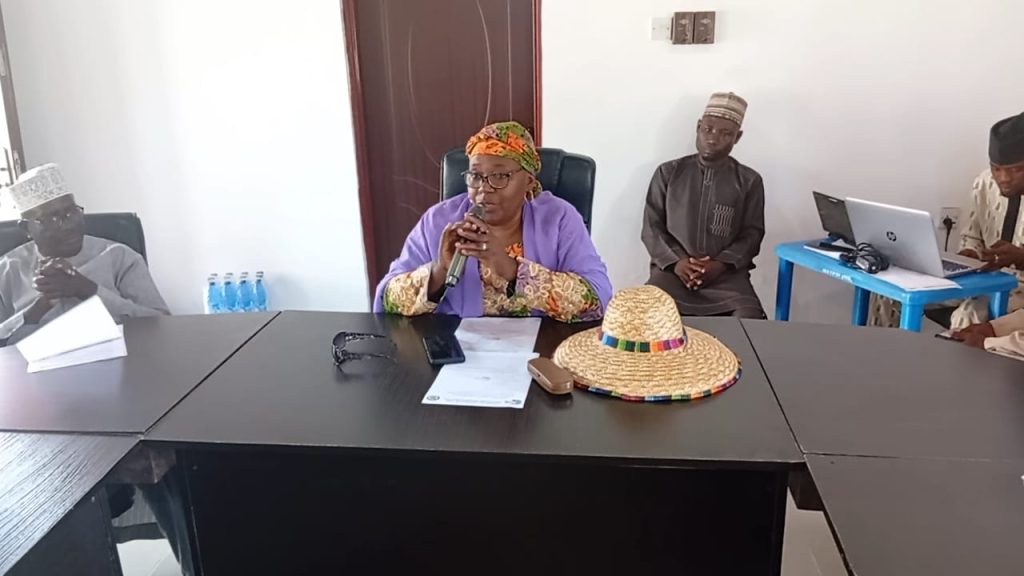
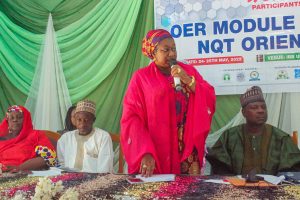
The Niger State Director General Hajiya Maimuna Mohammed declaring the opening of the workshop
While declaring the workshop open, the Director General, Schools and Education Reforms, Niger State- Hajiya Maimuna Mohammed said this capacity building workshop is timely as it aligns with the educational reforms and the New Niger Agenda of his Excellency, the Farmer Teacher Governor Hon. (Dr) Umar Mohammed Bago which aims for massive and deliberate investment in teachers training and retraining to improve their knowledge, skills and performance in classrooms. Hajiya Maimuna calls for full commitment and dedication of the participants as they will be serving as master trainers who will be training their colleagues in the State. The DG was glad that half of the workshop participants were social science and arts teachers which is demonstrating a gradual necessary shift from just CL4STEM to CL4STEAM. She concluded by commending the new CL4STEM project and the team, and promised her continued support and commitment.
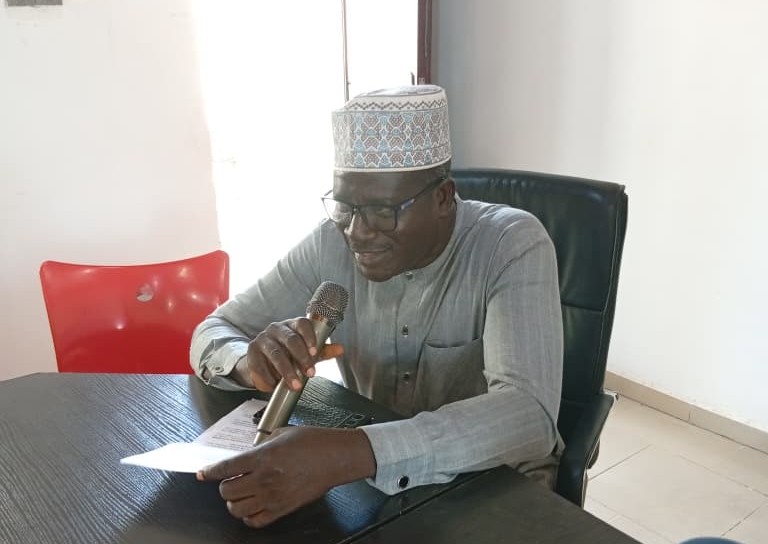
Dr Hussaini Usman giving an opening remark
Earlier, the Acting Executive Director of NSTPDI- Dr Hussaini Usman, while giving his welcome address/opening remarks, warmly welcomed the CL4STEM team and other participants to the workshop. He pledged the Institute continued support and commitment to full implementation of the project. He advised the participants to show dedication and commitment to the project.
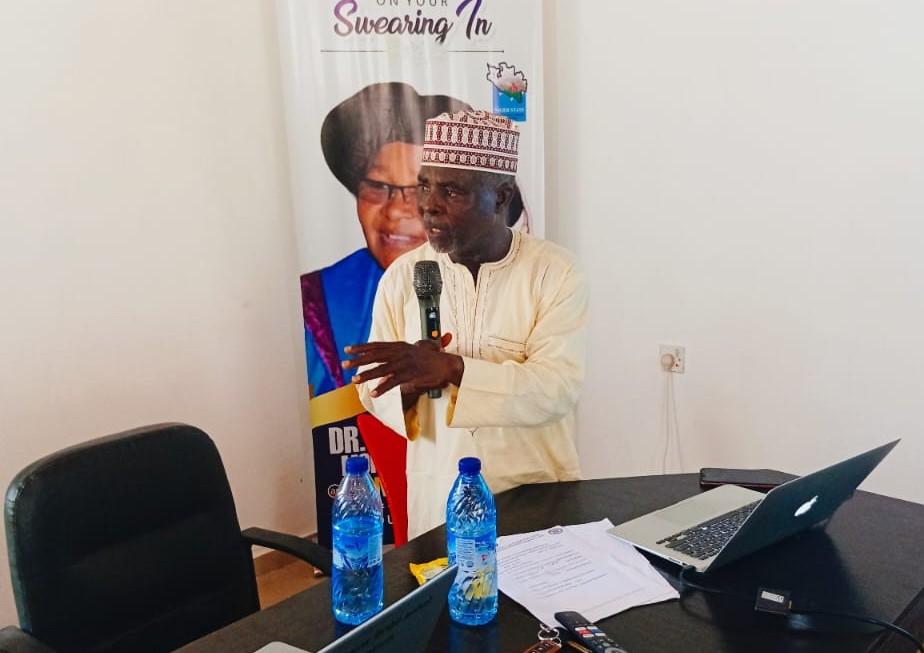
The CL4STEM Project Lead- Prof. Mustapha Tajordeen giving a speech
The CL4STEM Project Lead- Prof. Mustapha Tajordeen gave the project briefing and focus including the activities and milestones for implementation of the project at the NSTPDI. He emphasised the need for collaboration and cooperation of the stakeholders to be able to deliver the project objectives.
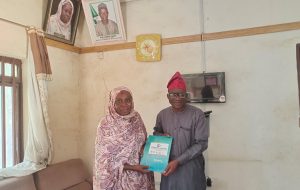
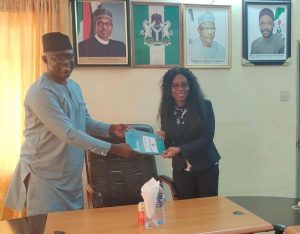
Goodwill messages and pledges of continued support were received virtually during the workshop opening ceremony from Dr. Mufida Bello Hussain- SA to Hon. State Minister for Education, Dr. Claris Uja-KIX Hub Focal Point and SA to Hon. State Minister of Education, and Mr Olufumi- Deputy Director and representative of Director, Basic Education, Federal Ministry of Education.
The higlights of activities in the 4-Day CL4STEM capacity building workshop include signing of consent forms, registration and profiling of the participating in-service teachers, pre-workshop surveys and interviews of selected participants. Also, the CL4STEM Project introduction, requirements, expectations and pedagogies were presented to the participants.
Presentations on subject specific modules and their contents of schemes of work for adaptation/alignment were made. The presentations were followed by downloading and installation of the Moodle on the phones of participating in-service teachers. After which accounts were created and each participant was enrolled in his or her specialised teaching subjects. The participants were then taught how to navigate the Moodle in order to acquaint themselves with various activities therein. Series of lectures were also held on technical issues that may arise from the Moodle and how to troubleshoot in order to identify solutions to backend related issues.
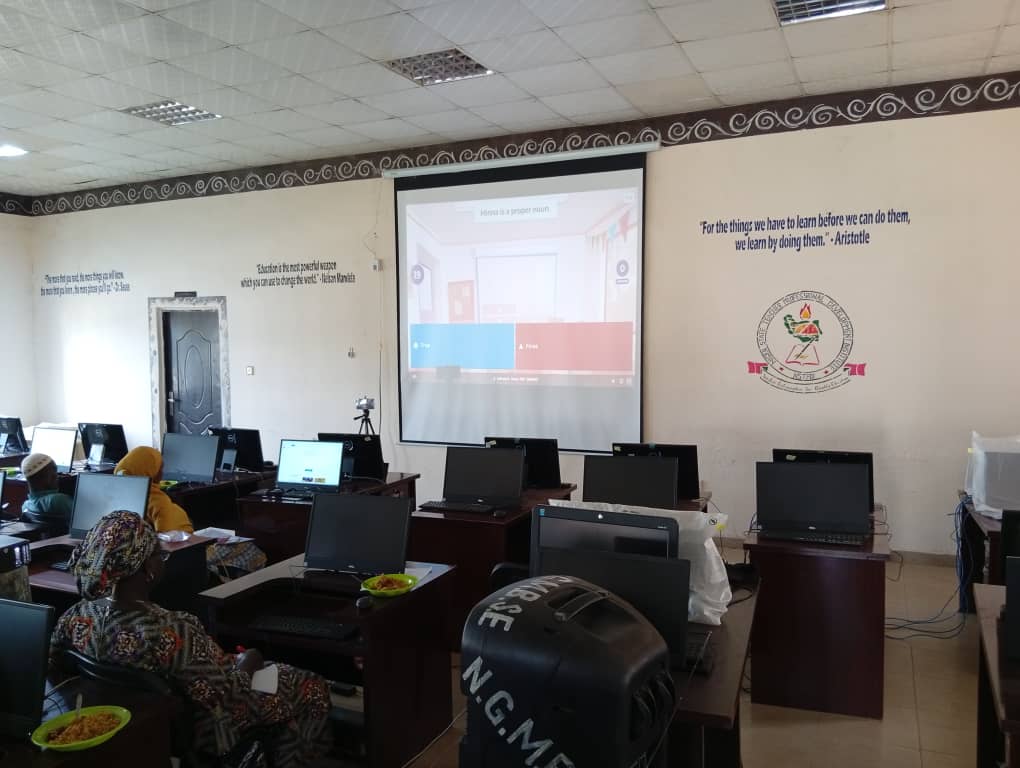
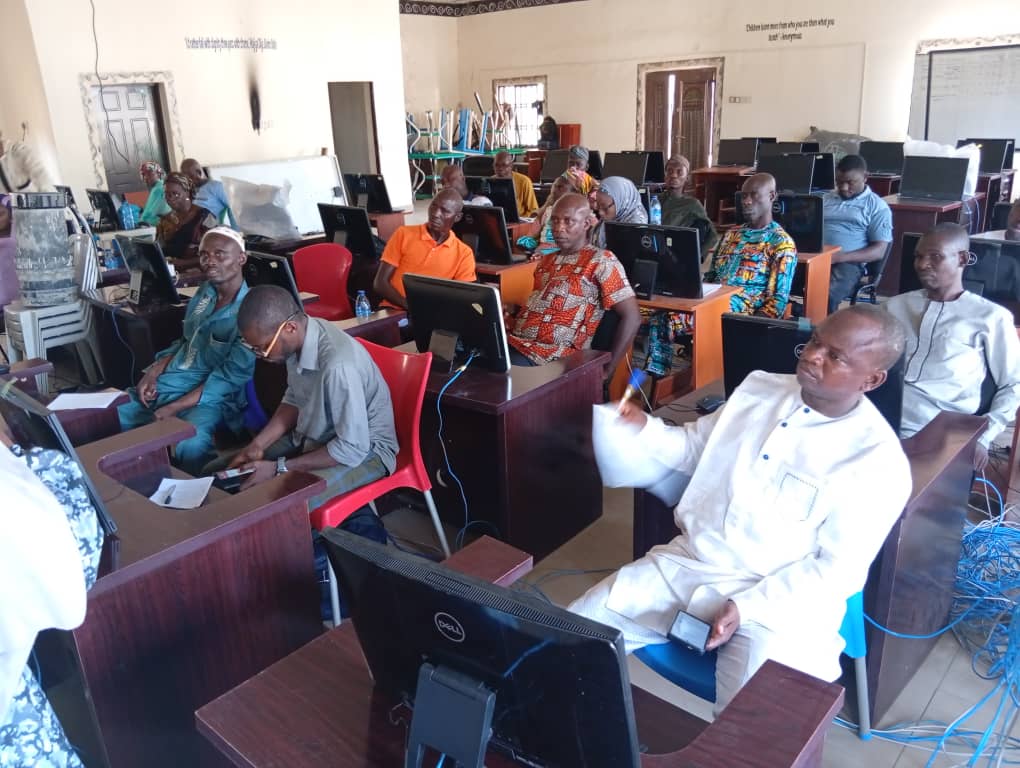
Participants receiving a presentation during the workshop
Activities also involved the establishment of Community of Practice (CoP) in Telegram. The participants were introduced to best practices of CoP and digital skills module. Practical session on digital skills module was held including online tools for short tasks and lesson plans, use of OERs, and ethical and responsible use of AI in education.
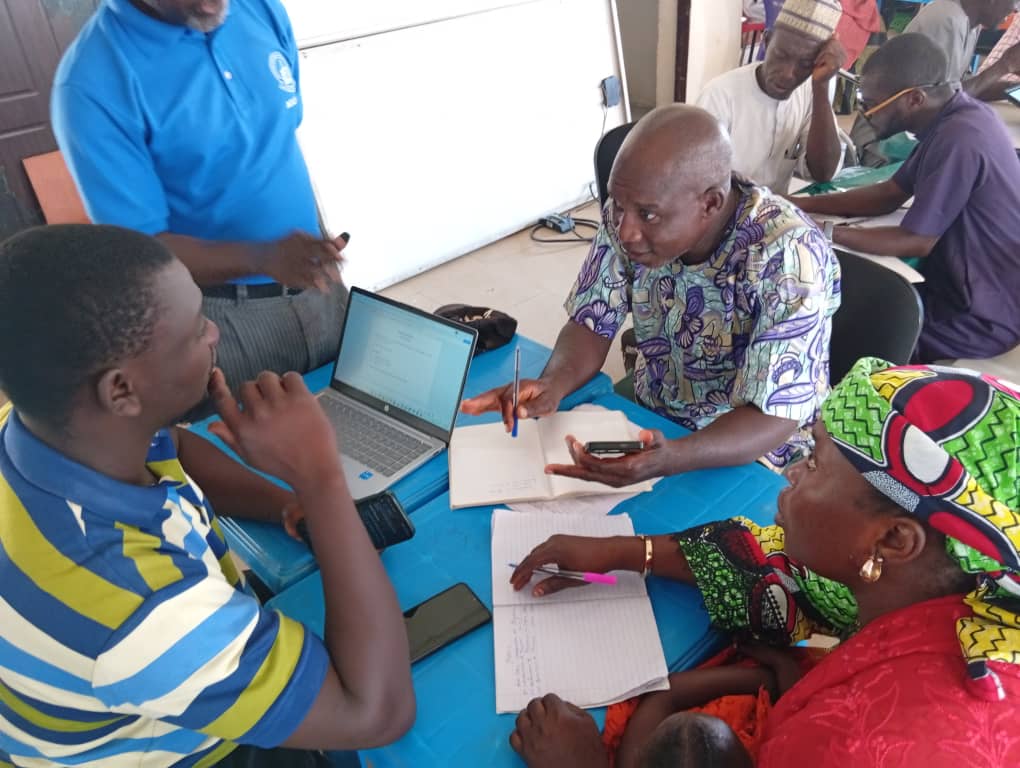
Participants performing workshop activities
The final set of activities include presentations on developed Universal Design for Learning (UDL), enhanced ICT lesson plans, classroom observation rubrics, feedback and post-workshop surveys and interviews.